

JANUS AI
Dormant design assets,
the basis of your next design.
Janus AI turns the vast engineering data accumulated inside your company into an asset, reducing trial and error at the new-design stage and pointing immediately to the best design direction. It fits seamlessly into existing engineering workflows and dramatically shortens development lead times.
Definition
Janus AI doesn’t replace your existing environment. It brings decisions forward.
The value Janus AI delivers
- An early-review tool that complements your CAE validation process
- An engineering asset platform that puts your past data back to work
- Clear design direction and decision criteria engineers can stand behind
What Janus AI steers clear of
- A solver that replaces your CAE
- A conventional deep-learning model that must be retrained for every new design
- A structure tied to specific software, or in conflict with existing licenses
- A one-way tool that lists result numbers with no practical context
What it does
Janus AI turns scattered analysis assets into evidence for the next design decision.
- 01
Engineering data capitalization
Brings past design and analysis records scattered across teams and projects together, turning them into core company assets ready to use at any time.
- 02
Automatic recognition and analysis of new designs
When a new 3D design is entered, a proprietary analysis engine immediately identifies its key characteristics, without complex manual preprocessing.
- 03
Ultra-fast result prediction without retraining
Predicts new-design results quickly from existing assets alone, with no need to train an AI anew each time the field or project changes.
- 04
Explainable decision criteria
Goes beyond listing predicted numbers by providing decision context engineers can stand behind, helping practitioners make final decisions with confidence.
- 05
Instant comparison of multiple design options (what-if)
Compares several options with changed design conditions side by side at an early stage, deriving the best optimal design in a short time.
Turning engineering experience into the possibilities of your next design.The problem
Every design change
restarts the analysis.
Simulation results tend to stay in project folders once a program ends. When the next design arrives, initial conditions are set from personal experience and heavy analyses run again from scratch — even when similar parts have been analyzed before. What worked, and what didn’t, lives in individual engineers’ memory.

How it works
No cumbersome preparation: put the data you hold to work in design right away.
01
Data integration
Scattered design and analysis records are connected in one system.
02
Design input
Enter a new 3D design for review, and its key characteristics are recognized automatically.
03
Ultra-fast result prediction
A proprietary analysis engine immediately calculates the expected results of the new design.
04
Compare and review options
Expected risks and decision criteria are checked to narrow down the best design.
05
Final validation and capitalization
Validation results of confirmed designs accumulate in the system to raise prediction accuracy.
Straight answers
Current scope and considerations
We are explicit about what Janus AI does — and what it does not do.
- Not claimed
It does not replace CAE. It supports early review and what-if exploration; final validation runs in your existing CAE process.
- Depends on
The best scope of use depends on the state of your design and analysis data. We start together with a data assessment before deployment.
- Depends on
Applied on site quickly, without a complex AI build, with reliability secured through pre-deployment consistency checks tailored to each project.
- Today
Private-network and on-premise deployment can be scoped, so design and analysis data can stay inside your company.
- Future
Expansion beyond injection molding and the fields validated so far, into a range of engineering areas, can be supported through technical discussion.
Applications
Starting with injection-molding design validation, application is widening to advanced engineering fields that call for complex simulation.
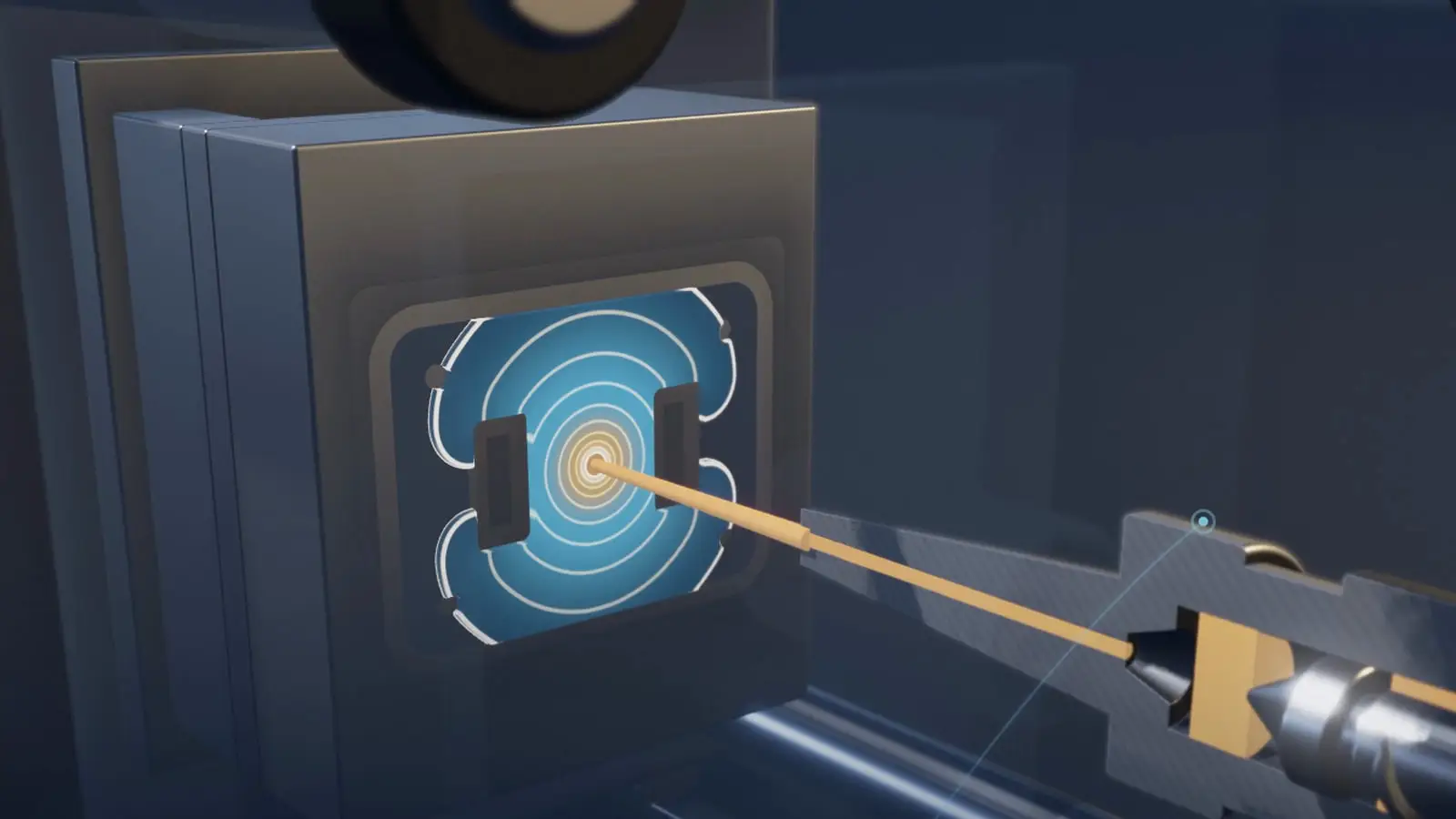
Injection-molding design review
Identifies molding-quality risks early, before the mold is built, and quickly arrives at the best design option.
Deployment completedIndustrial thermal environments
Predicts environmental change at large industrial sites to support optimal equipment placement and control-system design.
Deployment in progressData-center cooling · semiconductor thermal management
Maximizes thermal-management efficiency for high-heat equipment and advanced components, and secures stable cooling design.
Potential applicationAutomotive and aerospace aerodynamics · wind power
Quickly predicts aerodynamic performance as complex shapes change, accelerating early exterior and structural design.
Potential applicationDie casting · pressing · precision casting
Diagnoses structural-defect risks from design changes in advance, reducing prototyping and rework costs.
Potential applicationMedical devices · HVAC
Validates the structural stability and energy efficiency of precision devices and HVAC systems at the early design stage.
Potential application

JANUS AI
Are your accumulated engineering assets informing your next design?
Tell us about your current design environment and the challenge you want to solve. We’ll propose the best way to adopt Janus AI and the results to expect.